WHAT CHANGED IN PEOPLE
What Sermorelin changed, group by group
Trials started in 1996, and reviews ran through 2025. You’ll see each result beside the reason for caution.
How Sermorelin changes your gland’s work
Your growth gland under your brain makes the main change. Sermorelin reaches its cells and makes them release stored growth hormone [6].
The same order tells your gland to make more for later. You get your own hormone, not growth hormone from the shot.
One gene helps your gland hear that order [6]. The review found 13 working stretches among 15 thousand stretches of that gene.
Those lab counts explain your gland, not whether you’d feel better. A 2025 review gave the same basic account [6].
The gland releases growth hormone in waves. IGF-1 is a second hormone, made mostly by your liver after those waves.
Doctors measure IGF-1 in your blood to learn how strongly your body answered. The brain can then make your growth gland slow down [5].
A direct growth-hormone shot skips that control. No study can tell you how well your own control would work.
What Sermorelin changed during sleep
Your growth gland releases hormone in waves, not all day [6]. Your largest natural wave often comes during deep sleep [8].
A small study gave healthy young men Sermorelin through a vein late in sleep. A machine reading for deep sleep rose nearly 10-fold.
The 1993 work didn’t show that Sermorelin treats poor sleep [8]. It only helps explain why later trials chose bedtime.
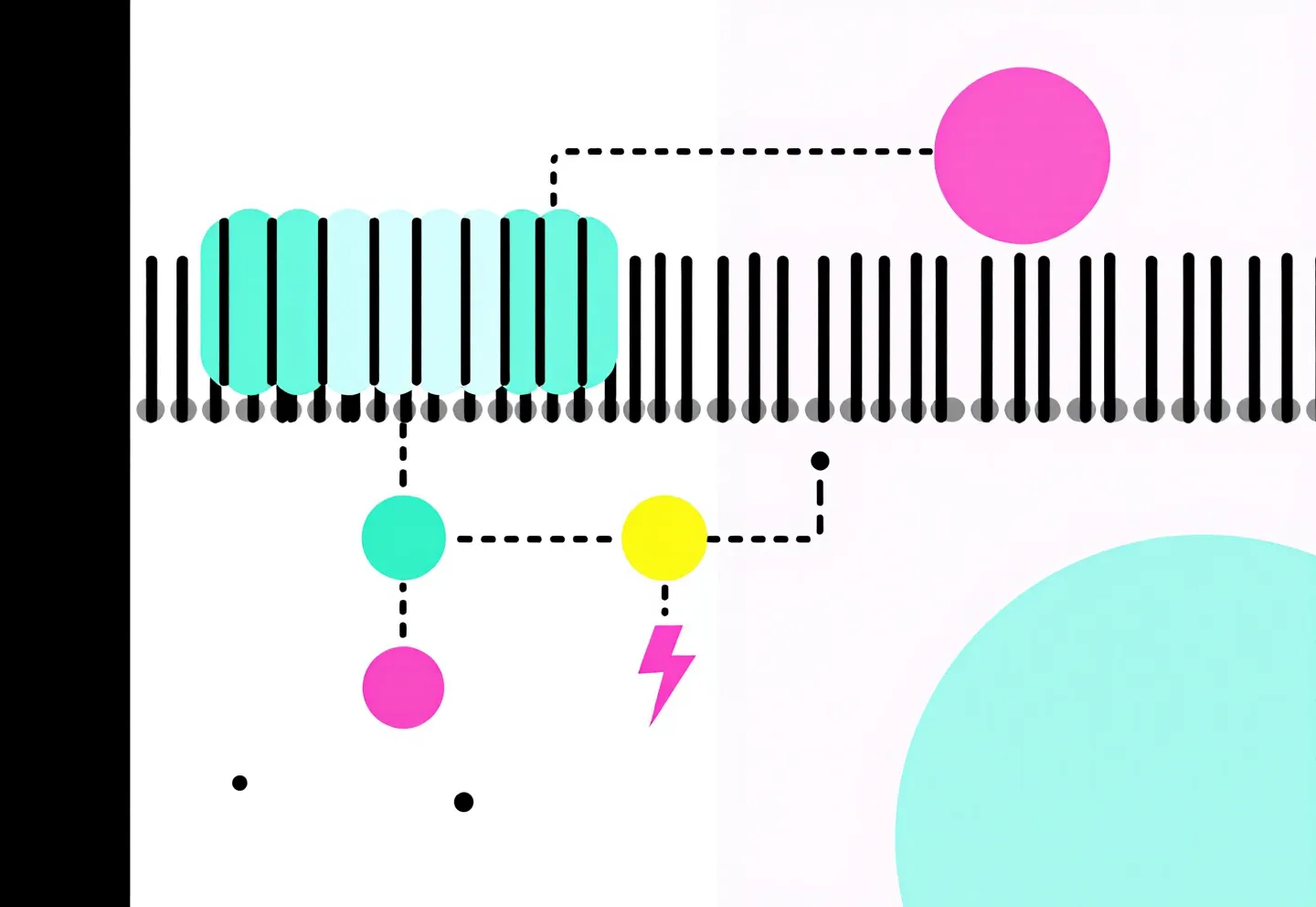
What changed most after Sermorelin
IGF-1 isn’t a blood test. It’s a hormone made mostly by the liver after growth hormone arrives.
IGF-1 changed most often. In 2001, older adults got about 14 millionths of a gram per kilo at bedtime.
After 5-6 months, the IGF-1 level was about 35% higher. Belly fat fell, and muscle plus other fat-free weight rose about 5% [4].
Scores on some thought tests rose 5-7% [4]. The clearest change joined quick hand moves with quick choices under a clock.
The study didn’t show whether daily life felt easier. You might never notice a small test change.
A 2004 trial followed 31 men with fat buildup tied to HIV. They got 1 milligram under the skin twice each day.
Their average hormone rise was 104 billionths of a gram per milliliter. The placebo group rose by 6 billionths of a gram per milliliter.
The much wider rise favored Sermorelin. Those men also gained fat-free weight and lost deep belly fat [10].
Doctors and patients both saw less unusual fat buildup. The paper didn’t say how much that visible change helped daily life.
A 2017 study gave 100 millionths of a gram of Sermorelin three times daily with two lab-named drugs, GHRP-6 and GHRP-2, which also raise growth hormone. The men were already taking testosterone.
IGF-1 and testosterone rose during the study [9]. Since three drugs were used, Sermorelin can’t take the credit alone.
What Sermorelin studies found about belly fat
IGF-1 isn’t a blood test. It’s a hormone made mostly by the liver after growth hormone arrives.
Two trials found less fat around the organs. In 2004, men taking 1 milligram of Sermorelin twice daily lost some, while men on placebo gained some [10].
A 2012 trial studied a related drug for 12 months. Deep belly fat on scans fell 35 centimeters squared more than with placebo [12].
Growth hormone and IGF-1 may help your body use this fat. Sermorelin still isn’t a plain weight-loss drug.
Blood results varied with the amount, time, and people studied. Your own reason for care may not match theirs.
What Sermorelin has clearly changed
IGF-1 isn’t a blood test. It’s a hormone made mostly by the liver after growth hormone arrives.
Several measured results changed. Blood hormones rose, while some groups grew faster or carried less body fat.
A 2006 review also reported changes in adult sleep and fat-free weight [5]. Each result belongs with the people tested.
In 1996, the paper called 74% of 110 children good responders. By 6 months, those children grew at nearly twice their old speed [2].
A 1994 trial followed 18 short children with no known cause. Growth sped up, and expected adult height rose 3.4 centimeters [3].
For you, adult proof is smaller. The strongest Sermorelin trial followed 31 men with fat buildup tied to HIV in 2004.
Their IGF-1 and fat-free weight rose. Deep belly fat fell [10].

What Sermorelin changed in men
IGF-1 isn’t a blood test. It’s a hormone made mostly by the liver after growth hormone arrives.
Some men had more IGF-1 and more fat-free weight. A few sleep readings improved as that IGF-1 level rose.
Some studies also found more testosterone. They don’t prove that Sermorelin caused the rise.
A 2017 study followed 14 men low in testosterone. They already used testosterone, then got Sermorelin with two other drugs.
IGF-1 rose during the study [9]. Because all three drugs were given together, nobody can separate their effects.
A 2001 study included both men and women. Their IGF-1 levels rose while body fat changed [4].
That mixed group can’t give you a men-only answer.
What Sermorelin may do to testosterone
IGF-1 isn’t a blood test. It’s a hormone made mostly by the liver after growth hormone arrives.
Sermorelin doesn’t order your body to make testosterone. The drug acts on growth hormone and the later IGF-1.
Some studies found both blood levels higher. One rise doesn’t prove it caused the other.
In 2017, the men were already taking testosterone. They then got Sermorelin plus two drugs, and growth hormone and IGF-1 rose [9].
The study can’t tell you which drug caused that change. Sermorelin alone hasn’t raised testosterone every time the other hormone rose.
What US and sports rules mean for Sermorelin
You’ll find a firm answer in the sports rules. The US and world groups that ban drugs in sport bar Sermorelin because it can raise growth hormone [1].
That ban didn’t take the drug off the market. EMD Serono stopped selling it in 2008 after an ingredient was no longer made.
You won’t find a safety recall behind the stop [1]. Before then, Geref was an approved brand for children low in growth hormone.
No approved form is sold in the US now. US law doesn’t list Sermorelin among tightly controlled drugs.
In October 2024, FDA advisers looked at pharmacy-made Sermorelin [1]. They asked when a pharmacy could make it for one named patient.
For a pharmacy-made sermorelin injection, a clinician first decides whether to issue a prescription for that patient. The review didn’t give Sermorelin a new approval.
Why Sermorelin lost its FDA approval
You can’t get an FDA-approved Sermorelin product now. Geref once treated short children low in growth hormone, but its maker withdrew it in 2008 [1].
In 2008, the old approved amount was 30 millionths of a gram per kilo of body weight. Children got the skin shot at bedtime [2].
EMD Serono stopped the drug for business and drug-making reasons. You won’t find a safety finding behind the stop.
An FDA paper from 2024 covered that past during a review of pharmacy-made Sermorelin [1]. The review didn’t restore the approval.
What Sermorelin and Ipamorelin change differently
IGF-1 isn’t a blood test. It’s a hormone made mostly by the liver after growth hormone arrives.
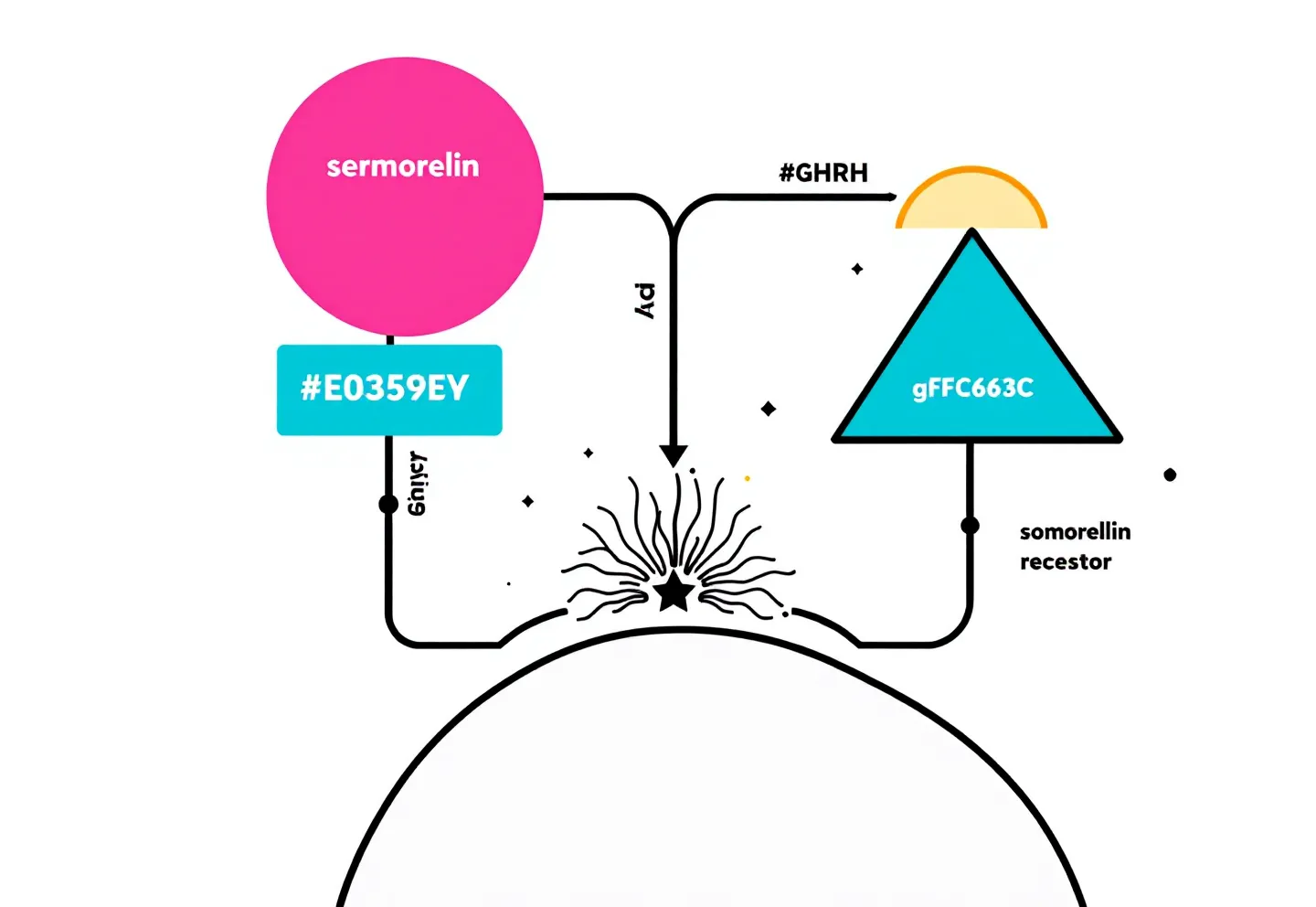
Both drugs can raise growth hormone, though each starts with a different body order. Sermorelin copies your brain’s order to your growth gland [15].
Ipamorelin makes your gland release growth hormone by a second route tied to hunger. No study shows an everyday advantage for either drug.
Researchers have given both drugs together. A 1998 study found that their effects could add up [15].
In animals, Ipamorelin raised growth hormone without raising two stress hormones [15]. Earlier drugs were called GHRP-6 and GHRP-2; those lab names mean they also raise growth hormone.
A 2017 human study mixed Sermorelin with GHRP-6 and GHRP-2. The liver-made hormone rose in men low in testosterone [9].
Since three drugs were mixed, nobody knows what one drug did alone.
What Sermorelin lets your gland control
IGF-1 isn’t a blood test. It’s a hormone made mostly by the liver after growth hormone arrives.
Sermorelin makes your growth gland work. When growth hormone and IGF-1 rise, your brain can tell your gland to release less [5].
A human growth-hormone shot goes around that control. Doctors often call those shots HGH.
Very high growth hormone and IGF-1 levels have been tied to swelling and carpal tunnel. They may also upset blood sugar or help some cancers grow [5].
A 2006 review called your gland’s control of IGF-1 the main safety difference. That control may lower your risk with Sermorelin.
“May” matters here. Sermorelin can still cause harm, and the studies don’t say how much less risk it carries.
A 2011 related-drug trial raised hormone waves without harming blood sugar use [11]. That can’t prove Sermorelin has no harms.
See sermorelin side effects for problems found in studies.
What heart studies found outside Sermorelin
IGF-1 isn’t a blood test. It’s a hormone made mostly by the liver after growth hormone arrives.
These weren’t Sermorelin trials. In one heart-failure study, more than 90% of the people lacked enough growth hormone.
Nearly 50% also had low blood levels of IGF-1. Low levels appeared with more hospital stays or deaths, but the study can’t tell you the cause.
In small growth-hormone trials, weak hearts began by pumping out just 32 percent of the blood they held. Pumping improved, and people breathed more easily [20].
A 2023 study gave mice MR-356, a lab-named drug related to Sermorelin. The mice moved better, and their hearts filled better with less scar and strain [22].
Mouse findings aren’t human findings. This work can’t show that Sermorelin would help your heart.
What Sermorelin and tirzepatide each change
IGF-1 isn’t a blood test. It’s a hormone made mostly by the liver after growth hormone arrives.
The drugs have different jobs. Sermorelin makes your growth gland release more growth hormone.
Tirzepatide is studied for blood sugar and weight. It makes insulin rise after food and helps you feel full sooner [6].
Sermorelin changes growth hormone and IGF-1. Tirzepatide works through digestion and the cells that make insulin.
A Sermorelin blood result can’t answer a tirzepatide question. Neither drug’s study tells you whether the other fits your care.